A Comprehensive 3-Day Muscle-Building Plan for Men Over 40
As men age, their approach to fitness needs to evolve. With the wisdom gained from years of experience, it’s essential to adapt your workout strategies to accommodate the changes in your body. Men over 40 should focus on a more calculated and thoughtful approach to strength training to avoid burnout and maximize results. This article presents a 12-week fitness program tailored specifically for older men, emphasizing the importance of recovery and proper technique.
Understanding the Importance of Recovery for Weight Loss and Strength Training
Recovery is a critical component of any fitness regimen, especially for those over 40. As we age, our bodies require more time to recuperate from workouts. This program is structured to allow for adequate rest while still promoting muscle growth and strength enhancement. By incorporating recovery days into your routine, you can prevent injuries and ensure sustainable progress in your weight loss journey.
To achieve effective results, it’s crucial to listen to your body. If you feel fatigued or sore, consider extending your rest periods between training sessions. This approach not only helps in muscle recovery but also optimizes your overall performance during workouts.
Essential Warm-Up Techniques
Before diving into strength training, warming up is vital. A proper warm-up prepares your body for exercise, reducing the risk of injury and enhancing performance. Here’s how to structure your warm-up:
- General Warm-Up: Start with light cardio to increase your heart rate and blood flow. Activities like brisk walking, cycling, or dynamic stretching can be beneficial.
- Specific Warm-Up: Focus on the muscle groups you will be targeting in your workout. This can include lighter sets of the exercises you plan to perform or mobility drills that enhance flexibility.
A well-rounded warm-up routine will ensure that you are physically ready to tackle your workouts effectively.
Equipment Needed for Your Training Program
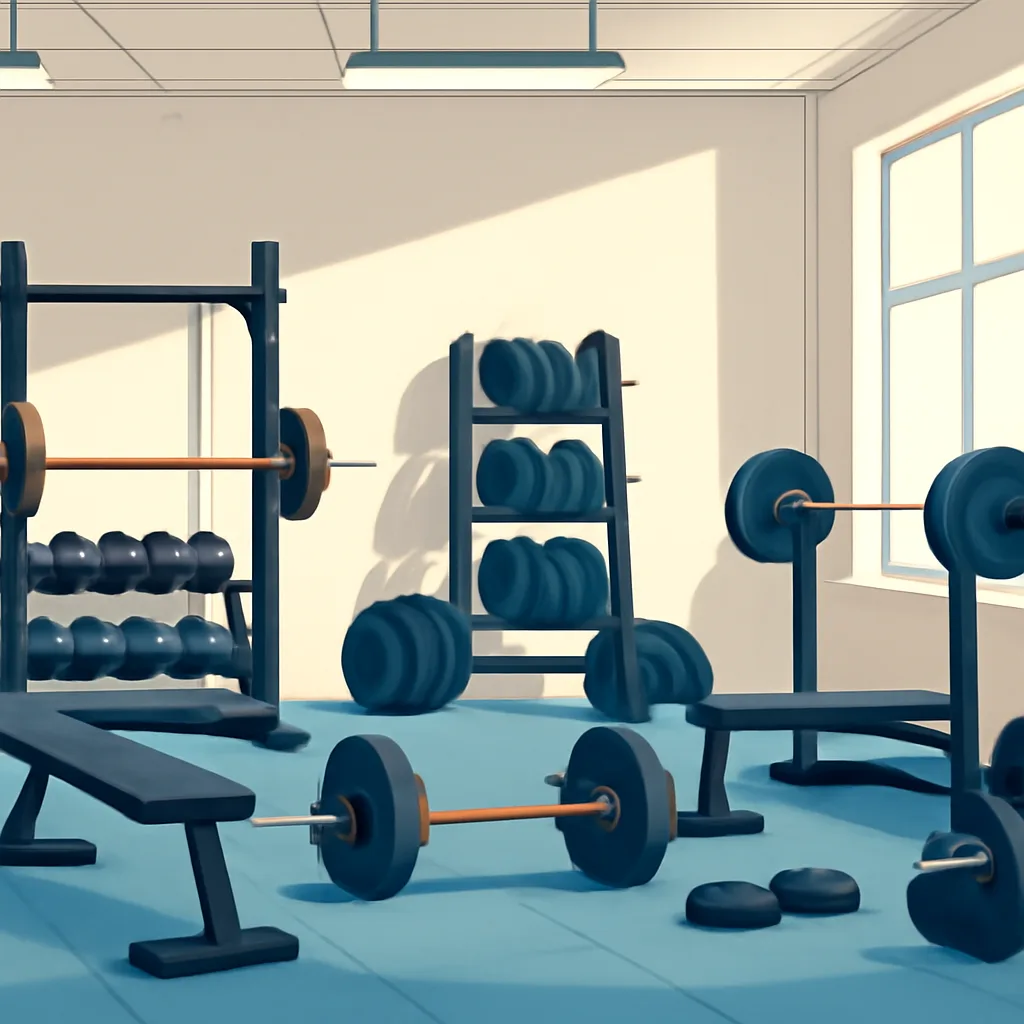
This strength training program can be performed with basic equipment typically found in commercial gyms. If your facility lacks certain apparatus, feel free to substitute with similar exercises. Here’s a list of essential equipment:
- A full range of dumbbells, including heavier options
- Barbells (Olympic and EZ curl) with weight plates
- Flat and incline benches
- Landmine
- Squat rack
- Cable tower
- Leg press, leg extension, and leg curl machines
- Kettlebells
- Ab wheel
This equipment will support a variety of exercises that target all major muscle groups, contributing to effective strength training and weight loss.
Structuring Your Training Schedule
For this program, you will train three times a week, following a schedule that suits your lifestyle—commonly Monday-Wednesday-Friday or Tuesday-Thursday-Saturday. Here’s a brief overview:
- Each training session should be separated by at least one full day of rest.
- Perform each exercise as straight sets, completing all sets of one exercise before moving on to the next.
This structure allows for focused training while ensuring adequate recovery time between workouts.
Weight Selection and Progression
During your workouts, it’s essential to select the right weights. For the first exercise of Day 1 (dumbbell incline bench press) and Day 2 (trap-bar deadlift), utilize the sets across method. This means using the same weight for all sets until you can comfortably complete the desired repetitions. For instance, if you aim for 3 sets of 6 to 8 reps:
- After a warm-up set with lighter weights, choose a weight you believe you can lift for about 10 reps.
- If you can easily complete 8 reps in the first set, aim for the same in subsequent sets.
- If you consistently hit the target reps, increase the weight by 2.5% to 5% in your next session.
This method promotes muscle growth while ensuring that you are consistently challenged without risking injury.
Sample Workout Plan for Week 1
Here’s a breakdown of your first week:
Day 1: Upper Body Focus
- Dumbbell Incline Bench Press: 3 sets of 6 to 8 reps
- Seated Cable Row: 3 sets of 6 to 8 reps
- Dumbbell Curl: 3 sets of 8 to 10 reps
- Dumbbell Incline Triceps Extension: 3 sets of 8 to 10 reps
- Goblet Squat: 3 sets of 10 to 12 reps
- Lying Leg Curl: 3 sets of 10 to 12 reps
- Plank: 3 sets of 30-second holds
Day 2: Lower Body and Core
- Trap Bar Deadlift: 3 sets of 8 to 10 reps
- Dumbbell Split Squat: 3 sets of 8 to 10 reps
- Dumbbell Bench Press with Neutral Grip: 3 sets of 10 to 12 reps
- Dumbbell One-Arm Row: 3 sets of 10 to 12 reps
- Lateral Raise: 3 sets of 12 to 15 reps
- Dumbbell Rear-Delt Raise: 3 sets of 12 to 15 reps
- Standing Calf Raise: 3 sets of 25 reps
Day 3: Full Body
- Lat Pulldown: 3 sets of 10 to 12 reps
- Cable Fly: 3 sets of 10 to 12 reps
- Rope Hammer Curl: 3 sets of 12 to 15 reps
- Rope Pressdown: 3 sets of 12 to 15 reps
- Leg Press: 3 sets of 15 to 20 reps
- Leg Extension: 3 sets of 15 to 20 reps
- Back Extension: 3 sets of max reps
This comprehensive approach ensures that you are working all major muscle groups effectively while keeping your workouts engaging.
Conclusion: Embrace the Journey
Embarking on a strength training journey after 40 can be incredibly rewarding. By following this 12-week program, you can build muscle effectively while prioritizing recovery and safety. Remember, the key to success lies in consistency and listening to your body. Always focus on proper form and gradually increase your weights as you progress. With dedication and the right approach, you can achieve your fitness goals and maintain a healthy lifestyle well into your later years.
📰 Sources
This article aggregates 1 sources. Click (source N) inline to jump to the matching entry.
- Over 40? This 3-Day Plan Shows How to Build Muscle Without Burning Out www.menshealth.com