
Latest Insights on Weight Loss, Exercise, and Nutrition: A Comprehensive Round-Up
In recent months, significant research has emerged in the fields of weight loss, exercise, and nutrition, offering fresh insights for fitness enthusiasts and those looking to improve their health. Understanding these updates can empower readers to make informed choices regarding their fitness and dietary habits. Here’s a comprehensive round-up of the latest findings and recommendations.
The Impact of Consistent Meals on Weight Loss
A recent study published in Health Psychology highlights the benefits of eating the same meals daily for weight loss. The research indicates that individuals who adhered to a routine diet lost an average of 5.9% of their body weight over 12 weeks, compared to 4.3% for those with varied diets. This correlation suggests that maintaining a consistent caloric intake can enhance weight reduction efforts. While the study does not establish a direct cause-and-effect relationship, it emphasizes the potential for simplified meal choices to foster sustainable eating habits (source 1).

Experts advise that adopting a structured meal plan can help individuals navigate the complexities of dietary choices, particularly in challenging food environments. However, it's crucial to ensure that these meals are nutrient-dense to avoid nutritional deficiencies (source 1).
Exercise Intensity: Key to Reducing Disease Risk
Research published in the European Heart Journal underscores the importance of exercise intensity over sheer volume in reducing risks for major diseases, including type 2 diabetes and cardiovascular conditions. The study found that even small amounts of vigorous exercise—constituting just over 4% of total activity—led to significant health benefits. Participants engaging in higher proportions of vigorous activity had a 60% lower risk of developing type 2 diabetes and a 63% lower risk of dementia (source 2).
This finding suggests that integrating short bursts of vigorous activity into daily routines can improve long-term health outcomes. The study's authors recommend that individuals gradually incorporate higher-intensity exercises into their fitness plans, starting with simple activities that elevate heart rates (source 2).
Heart-Healthy Eating: New Guidelines from the AHA
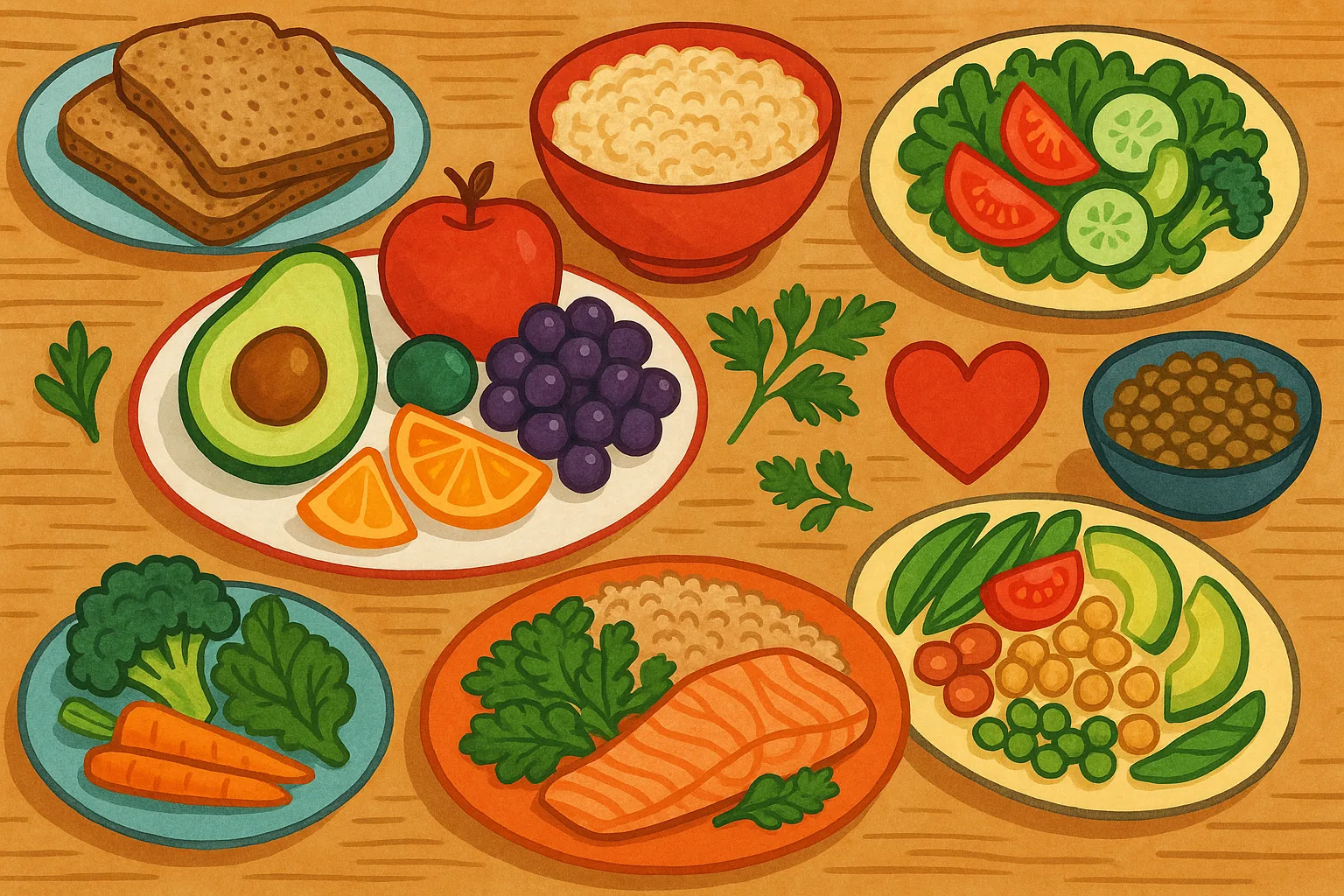
The American Heart Association (AHA) has released updated dietary guidelines aimed at reducing heart disease risk. These guidelines emphasize flexibility and accessibility in heart-healthy eating, featuring nine essential components such as balancing energy intake with expenditure, consuming ample fruits and vegetables, and opting for whole grains over refined options (source 3).
Experts encourage gradual changes to dietary habits, highlighting that even partial adherence to these guidelines can significantly lower cardiovascular risk. The focus on sustainable eating practices aligns well with recommendations for other chronic conditions, making it clear that adopting a heart-healthy diet is beneficial across various health issues (source 3).
Walking: A Popular Yet Insufficient Form of Exercise
Despite being the most popular leisure activity in the U.S., research indicates that walking alone may not suffice for maintaining higher fitness levels. Findings reveal that only 25% of walkers meet the combined guidelines for aerobic and muscle-strengthening activities. Experts suggest that while walking provides numerous health benefits, additional exercises such as strength training and flexibility workouts are necessary for overall fitness (source 4).
Encouragingly, the study emphasizes the importance of community infrastructure in promoting diverse exercise routines, suggesting that tailored activities based on regional preferences can enhance physical activity levels (source 4).
Intermittent Fasting and PCOS: A Promising Approach
A study focusing on polycystic ovary syndrome (PCOS) reveals that intermittent fasting may aid in weight loss and improve hormone levels. The research indicated that participants following a time-restricted eating regimen experienced significant weight loss and beneficial changes in testosterone and A1C levels, which are crucial for managing diabetes risk (source 5).
This approach may offer a viable alternative to traditional calorie counting, particularly for those struggling with the hormonal imbalances associated with PCOS. Experts recommend that individuals aiming for intermittent fasting should establish a solid dietary foundation before focusing on fasting schedules, ensuring consistency in their eating patterns (source 5).
Key Takeaways
- Eating consistent meals may enhance weight loss by promoting stable calorie intake.
- Vigorous exercise, even in small amounts, can significantly reduce the risk of chronic diseases.
- The AHA's updated dietary guidelines emphasize sustainable, heart-healthy eating practices.
- Walking alone may not be sufficient for fitness; incorporating strength training is essential.
- Intermittent fasting could be a beneficial strategy for those with PCOS, aiding in weight loss and hormonal balance.
In conclusion, the latest research highlights the importance of consistency in diet and exercise, as well as the need for individuals to tailor their fitness and nutritional strategies to their unique circumstances. As we move forward, staying informed about these developments will be crucial for anyone looking to enhance their health and well-being.
📰 Sources
This article aggregates 5 sources. Click (source N) inline to jump to the matching entry.
- Weight Loss: Eating Repeat Meals May Lead to Greater Results www.healthline.com
- Type 2 Diabetes: Exercise Intensity and Time Important to Reduce Risk www.healthline.com
- Cardiovascular Disease: New Guidance Says 9 Key Steps Can Reduce Risk www.healthline.com
- Walking May Not Provide Enough Exercise to Maintain Fitness www.healthline.com
- PCOS: Intermittent Fasting May Aid Weight Loss, Improve Hormones www.healthline.com