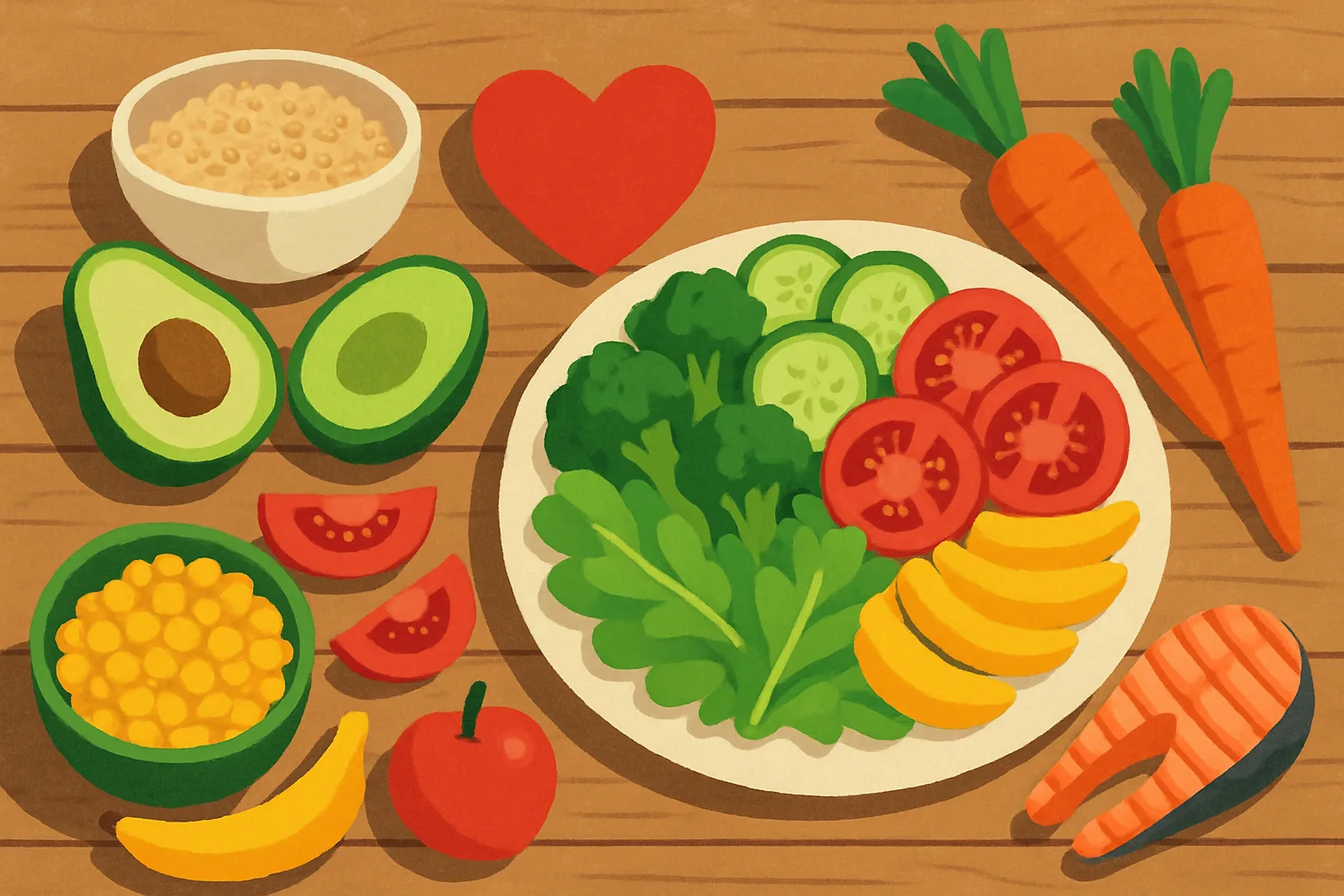
Updated Dietary Guidance: 9 Steps to Enhance Cardiovascular Health
In recent years, cardiovascular health has taken center stage in public health discussions, especially with the increasing prevalence of heart disease. The American Heart Association (AHA) has responded to this concern with updated dietary guidelines aimed at lowering the risk of heart disease. Released on March 31, 2026, these recommendations are not only scientifically backed but also emphasize flexibility and accessibility, making it easier for individuals to adopt heart-healthy eating habits at any stage of life.
The Importance of a Heart-Healthy Diet
The new guidelines from the AHA stress that a heart-healthy diet is adaptable to personal preferences and cultural practices. This inclusivity is crucial, as it allows individuals from diverse backgrounds to engage with the dietary recommendations without feeling restricted. The AHA aims to make heart-healthy choices the easiest and most accessible options, whether at home, in restaurants, schools, or workplaces.
This approach to dietary guidelines is significant, as it recognizes that the journey toward better health can vary greatly from person to person. By encouraging gradual changes rather than an overnight overhaul of eating habits, the AHA supports sustainable health practices that can lead to long-term benefits.
Nine Essential Features of a Heart-Healthy Diet
The AHA has outlined nine essential features that individuals should incorporate into their diets to promote cardiovascular health. These features serve as a roadmap for making healthier food choices:
-
Balance Energy Intake and Expenditure
Maintaining a healthy body weight is crucial for heart health. This involves consuming the right number of calories in accordance with your physical activity level. The AHA recommends that older children and adolescents engage in at least 60 minutes of physical activity daily, while adults should strive for a minimum of 150 minutes of moderate to vigorous activity each week, complemented by muscle-strengthening exercises. -
Eat Plenty of Vegetables and Fruits
A diet rich in a variety of whole or minimally processed vegetables and fruits is fundamental for heart health. These foods provide essential nutrients and fiber. Options such as frozen or canned vegetables are acceptable as long as they do not contain added sugars or sodium. -
Choose Whole Grains Over Refined Grains
Whole grains, including oats, brown rice, quinoa, and whole wheat, contain all parts of the grain and are linked to lower risks of heart disease, stroke, and diabetes. Regular consumption of these grains can significantly enhance overall health. -
Opt for Healthy Protein Sources
Transitioning to plant-based proteins like legumes and nuts can have positive effects on heart health. These foods are high in fiber and healthy fats. Additionally, including fish and seafood in your diet for their omega-3 fatty acids is encouraged. When consuming dairy, opt for low-fat or fat-free options, and choose lean cuts of red meat while limiting processed meats. -
Replace Saturated Fats with Unsaturated Fats
Utilizing nontropical plant oils such as olive, canola, and soybean oil instead of saturated fats like butter and animal fats can significantly reduce harmful LDL cholesterol levels, thereby lowering heart disease risk. -
Favor Minimally Processed Foods Over Ultra-Processed Foods
Ultra-processed foods, which are often laden with added sugars, sodium, and preservatives, are associated with obesity and heart disease. Choosing whole, minimally processed foods is a step toward better health. -
Limit Added Sugars
Added sugars can contribute to obesity and heart disease risk. It’s essential to minimize sugar intake throughout life by avoiding sugary drinks and being mindful of sweeteners in food preparation. -
Reduce Sodium Intake
High sodium consumption can elevate blood pressure, a significant risk factor for heart disease. Opting for low-sodium foods and limiting salt in cooking can help manage blood pressure levels. Increasing potassium-rich foods like fruits and vegetables also aids in balancing blood pressure. -
Be Cautious with Alcohol
For those who do not drink alcohol, the AHA advises against starting for perceived health benefits. For those who choose to consume alcohol, limiting intake is crucial, as even small amounts can raise blood pressure and increase cancer risk.
Practical Steps for Implementation
Dr. Jodi Myers, a medical advisor, emphasizes that the most significant mistake individuals make is attempting to change everything at once. She suggests that sustainability stems from making incremental changes rather than completely overhauling one’s diet overnight.
Starting with simple swaps, such as replacing refined grains with whole grains (like opting for brown rice instead of white rice), can lead to immediate benefits. Adding a serving of vegetables to meals can also enhance fiber intake and improve overall nutritional quality.
Once comfortable with these changes, individuals can incorporate liquid plant oils, such as olive oil, and aim to include two servings of fish per week. Dr. Myers highlights the importance of avoiding ultra-processed foods, advising individuals to look for recognizable ingredients in their food choices. If the ingredient list is unrecognizable, it may be time to seek alternatives.
Conclusion
The AHA’s updated dietary guidelines present a comprehensive approach to enhancing cardiovascular health through sustainable eating habits. By following these nine essential features, individuals can significantly reduce their risk of heart disease while also benefiting from improved overall well-being. It’s crucial to remember that perfection is not necessary; even adhering to four or five of these guidelines can lead to meaningful health improvements. As you embark on this journey toward better health, take these recommendations as a direction rather than a destination, allowing you to make gradual and lasting changes to your dietary habits.
[IMG_GEN: editorial illustration of a diverse group of people enjoying a heart-healthy meal together at a table, warm lighting]
📰 Sources
This article aggregates 1 sources. Click (source N) inline to jump to the matching entry.
- Cardiovascular Disease: New Guidance Says 9 Key Steps Can Reduce Risk www.healthline.com